What is metastatic renal cell carcinoma?
I mentioned in my previous article and on my GoFundMe page that I’ve been officially diagnosed with a type of cancer called metastatic renal cell carcinoma (RCC), but what the heck does that actually mean? Well, let’s start by breaking down the words.
Metastatic means that this is a cancer that has spread from the place where it first started to a distant part of the body.
Renal cell specifies a relation to the cells of the kidneys.
Carcinomas are types of cancer that start in the epithelial cells. These are the kind of cells that cover your skin and line your internal organs and glands.
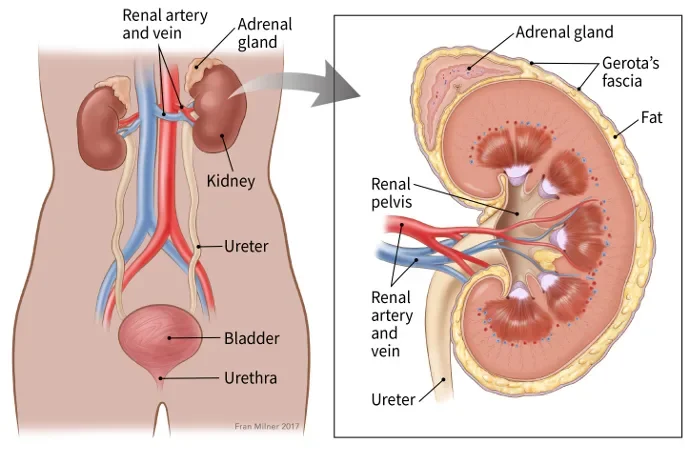
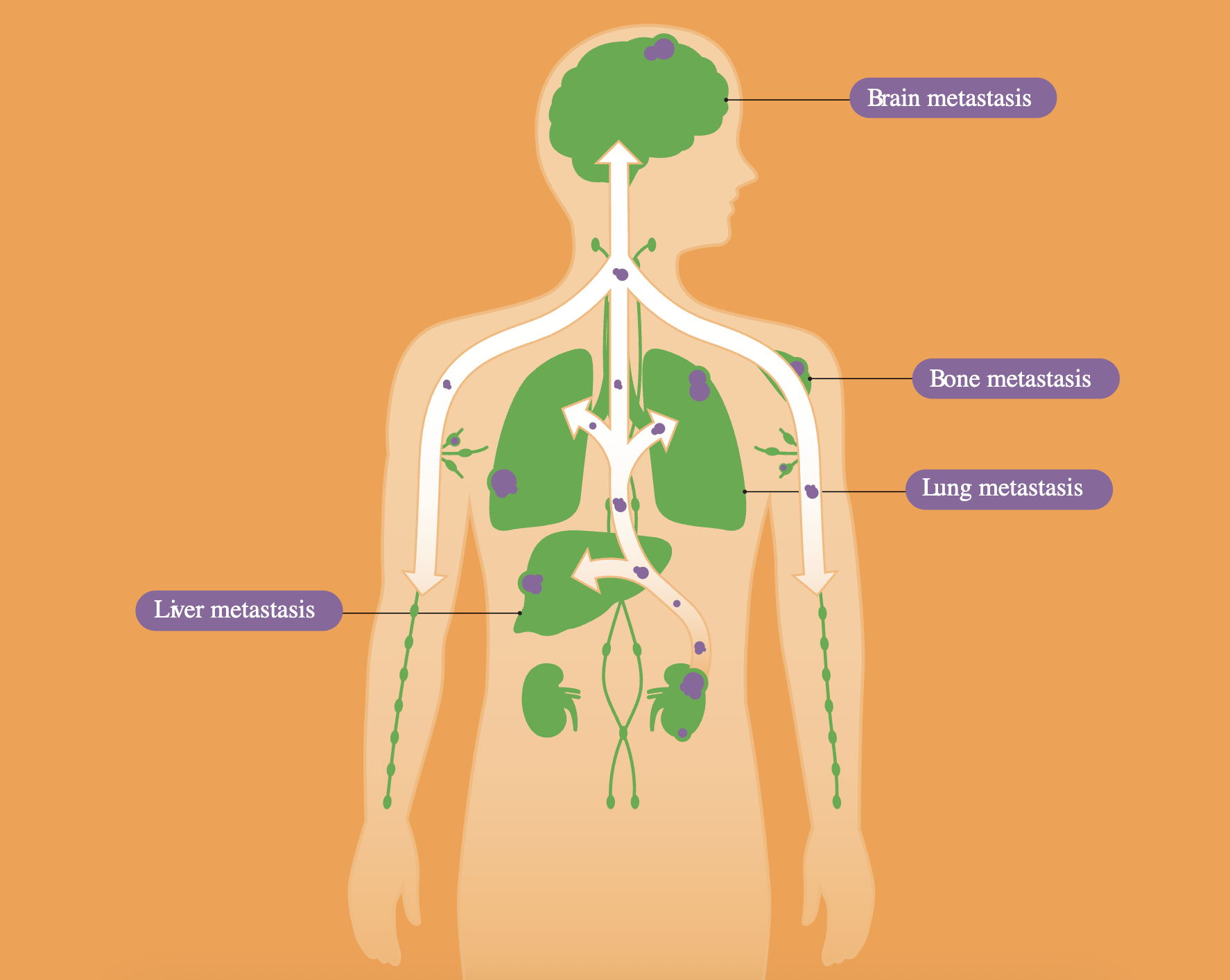
So effectively, I have a type of cancer that originated in (and is still impacting) my kidney, but has also spread to other parts of my body. Fortunately for me, as of now only my left kidney has been affected. In terms of other organs being involved, CT scans and MRIs have shown a spread to nearby lymph nodes, and the bones of my pelvis, spine, and ribs. There may be some minor involvement of my liver and lungs as well, which are all common places for RCC to spread to. This type of cancer often metastasizes to the brain too, but thankfully an MRI of my brain showed no tumor growth there. Due to the extensive spread throughout my system though, particularly in my bones, I’ve been classified as having Stage 4 cancer, which is the highest level of staging. It’s important to note that even though the cancer has spread to my bones, for example, it’s still kidney cancer.
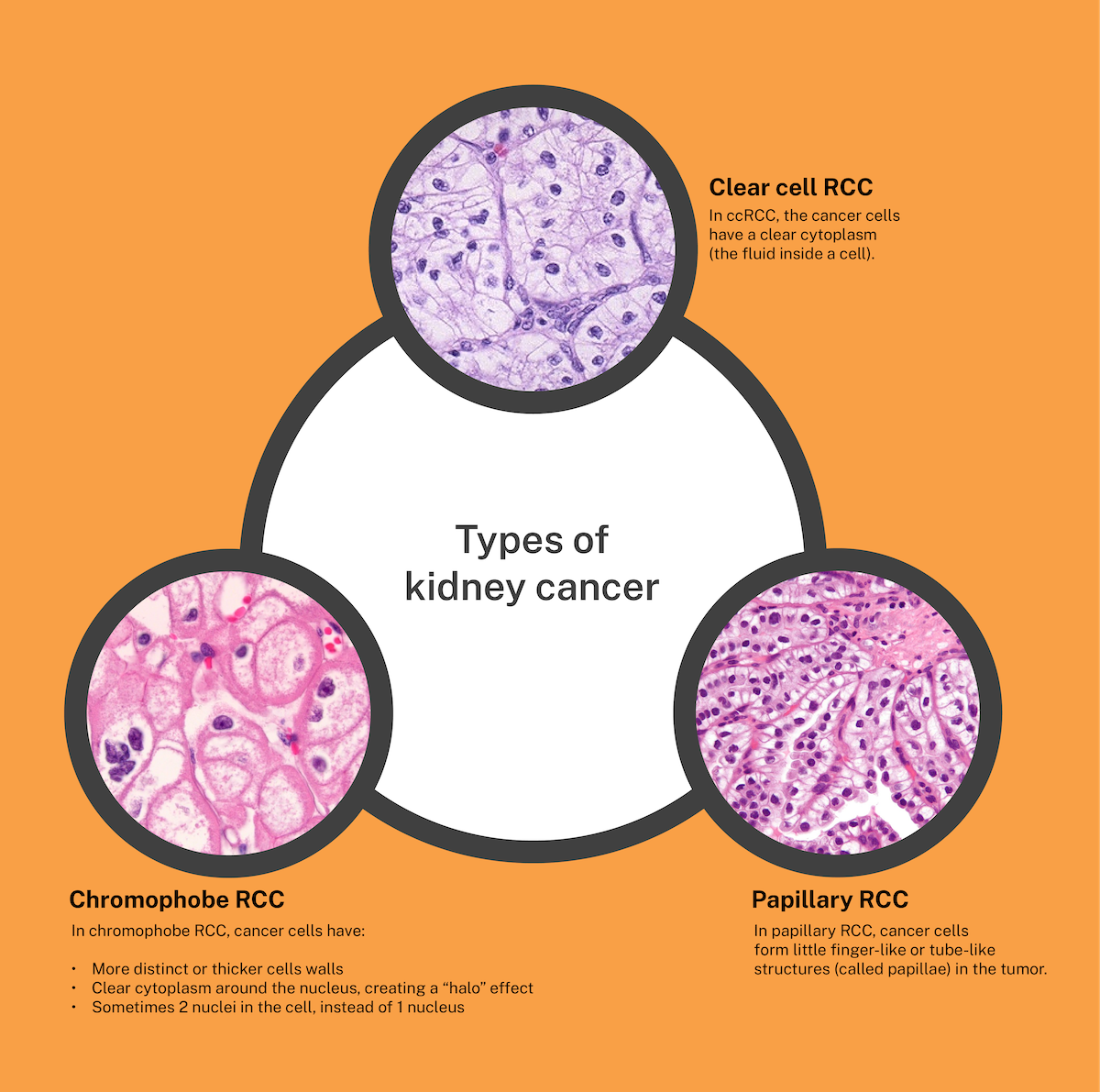
There are many different subtypes of RCC, and after a kidney biopsy was done, doctors were able to determine that the specific one I have is called clear cell RCC (ccRCC). This just so happens to be the most common form of kidney cancer, with around 70% of patients falling into this category. The upside of this is that there have been more clinical trials and studies done on this cohort, and therefore better data for treatment and outcomes for this specific type of cancer.
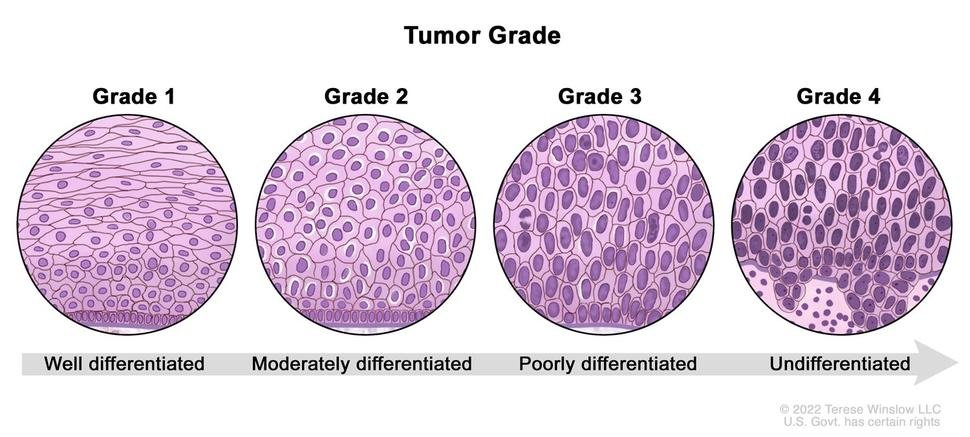
I’m not a pathologist so I won’t try to get into the weeds on this complicated topic, but at the base level, clear cell RCC starts due to a gene inactivation on one of the chromosomes in the cells that line the small tubes in the kidneys. From there, cells rapidly multiply, forming one or more tumors, and if given long enough, spread to other organs within the body. The cancer cells in my biopsy had progressed to Grade 3, which means the cells look more abnormal than healthy cells under the microscope and may be indicative of faster spreading disease.
It’s quite common for RCC to not be noticed until later stages, and is often discovered by accident when a patient goes into a clinical setting for imaging for another issue. In my case, I was having back/flank pain, which is a classic symptom of kidney cancer, though one that can be rather arbitrary. By the time I had any symptoms at all though, the cancer had probably been progressing undetected in my system for years, allowing it to metastasize.
The incidence of RCC increases with age and is twice as likely to occur in men than women. There are other risk factors as well, including chronic kidney disease, obesity, smoking, etc… none of which align with my presentation. In cases such as mine, where the case is <46 years old, it is likely that there is a heredity syndrome involved, which caused a gene mutation in the kidney cells. It’s worth noting that some members of my own family have recently been diagnosed with Birt-Hogg-Dube Syndrome (BHDS), which can be associated with RCC. However, there is no indication that anyone in our previous family history has had kidney cancer, and I have yet to be tested for BHDS myself to confirm this diagnosis and connection. It remains highly suspicious, but until further testing is done I won’t truly know the root cause of the disease.
At this point though, I’m not so worried about what happened in the past that led me to this outcome. My attention is fully focused on the future, my treatment options, and what outcomes I can hope for going forward. More on this coming in my next blog post!
Sources for this post include:
https://pmc.ncbi.nlm.nih.gov/articles/PMC5936048/